Reclaiming Eccentricity in Black and Brown Creative Spaces
Picture this: A young Black designer walks into an all-white fashion boardroom, confidence radiating as her vibrant seafoam green braids bounce with each step. Her patchwork overalls, splashed with memories of family quilt-making, pay homage to both innovation and ancestry. Instead of the admiration she deserves, she feels curious stares and tight smiles from colleagues who struggle to understand her bold style choices. Maybe you’ve been there too questioning if your quirks will ever be celebrated, or just quietly tolerated.
Let’s be honest: We don’t talk enough about who has the freedom to be “weird” and who gets labeled or sidelined for it. In so many spaces art, business, wellness, and beyond eccentricity is reserved for those with power and privilege. When Black and Brown creators, visionaries, or healers step out of line and embrace their weirdness, it’s often seen as disruptive or, worse, unprofessional. Why is that? Why has creative nonconformity become a high-wire act for us, and who drew those lines in the first place?
Everyday Acts of Creative Resistance
Think about everyday moments: The kid in the back of the classroom sketching futuristic cities while the lesson drones on. The older auntie who starts every family gathering with a poem or a song in an old dialect, tilting the energy of the whole room. Or the young man who turns traditional stories into graphic novels that his community’s elders don’t quite “get” yet. These acts of creative resistance, big and small, are acts of reclamation.
This article journeys through the tangled web of cultural norms and “respectability,” shining a light on why reclaiming eccentricity is a key to wellness, resistance, and authentic joy for Black and Brown communities. We’ll dig into cultural case studies, share stories and practical methods, and invite you yes, you to help reimagine what liberation through creativity really looks like.
Ready to turn those quirks into your power source? This is your invitation to color outside the lines.
What Is “Black Creativity and Social Norms”?
Black Creativity and Social Norms in Childhood
Black creativity has always been about survival, vision, and daring. But what happens when social norms cast a shadow over that inheritance? From childhood, many of us are gently, or not-so-gently, encouraged to “fit in.” That might mean discouraging kids from elaborate hairstyles at school (anyone else handed the “hair code” notice?) or steering creatives into “safe” avenues, like sports or business, instead of eccentric art forms.
Historical Challenges of Black Creativity and Social Norms
Throughout history, “normal” in Black and Brown communities has been policed for survival as much as acceptance. Take Zora Neale Hurston, whose anthropological work and folklore collection were dismissed as “odd,” or Jean-Michel Basquiat, whose graffiti-influenced paintings disrupted the white art establishment. Even jazz, at its birth, was derided as devil’s music before it became world-renowned. Our history is filled with geniuses called “weird” until the world caught up and even then, credit was often withheld.
Modern Expressions of Black Creativity and Social Norms
Today, you’ll see the legacy living on. Afrofuturism, for example, isn’t just a sci-fi movement it’s a dazzling reimagining of the future, centered on Black imagination and innovation. Or think about the rise of queer Latinx poetry collectives that meet in borrowed storefronts, or TikTok creators remixing traditional dance with streetwear and memes, drawing millions of viewers and launching cross-cultural conversations.
Black Creativity and Social Norms as Cultural Pushback
These acts aren’t just personal they’re cultural pushbacks. Every time you dare to bring your full, vibrant, layered self into spaces that demand sameness, you’re not just making art or self-actualizing; you’re undermining the very machinery that tells Black and Brown folks to “know your place.”
CTA: If you’re a creative leader, facilitator, or educator aching to set new norms and break old patterns, our creative coaching circles will help you give yourself (and your peers) radical permission. Join us and rediscover that boldest, truest self tucked inside.
Why Black Creativity and Social Norms Matter: Cultural, Emotional & Collective Impact
Suppressing creative expression? It’s like cutting off your plant’s sunlight and wondering why it won’t bloom.
For many Black and Brown creatives, the signals come early and often: “You’re too loud.” “Tone it down.” “That’s not how we do things here.” Each message is a pebble in your backpack, and before long, it’s heavy enough to stifle risk-taking or authentic self-expression.
The Emotional Cost of Black Creativity and Social Norms
This suppression isn’t just personal. The emotional fallout anxiety, self-censorship, burnout is real. You lose vital parts of yourself, trying to shrink into a box never made for you. Sometimes, people step away from their art, their culture, even their selfhood, simply to survive.
Examples of Breaking Free from Black Creativity and Social Norms
But what does it look like when someone pushes through? Take the story of a Black wellness practitioner who left her healthcare job where bright clothes and African jewelry were frowned upon and built a wellness collective that centered her roots and wove ancestral rituals into modern healing. Or consider a former engineering student, discouraged from “wasting time” on beat-making, who becomes a sought-after multidisciplinary artist known for weaving together music, math, and Afrofuturist concepts. Their willingness to reclaim their right to be “too much” sparked not just personal healing, but also set off creative ripples in their communities.
Black Creativity and Social Norms in History and Today
These aren’t isolated incidents. From the Harlem Renaissance’s full-throated refusal to bow to white expectations, to contemporary Black podcast creators who blend regional slang and candid vulnerability with sharp commentary, every choice to honor eccentricity becomes a blueprint for collective shift.
The Takeaway: Reframing Black Creativity and Social Norms
The takeaway? Eccentricity in these contexts isn’t a luxury; it’s a community survival tool. When we reclaim our “not-normal,” we create space for others, heal from cultural wounds, and keep tradition alive by letting it evolve rather than calcify.
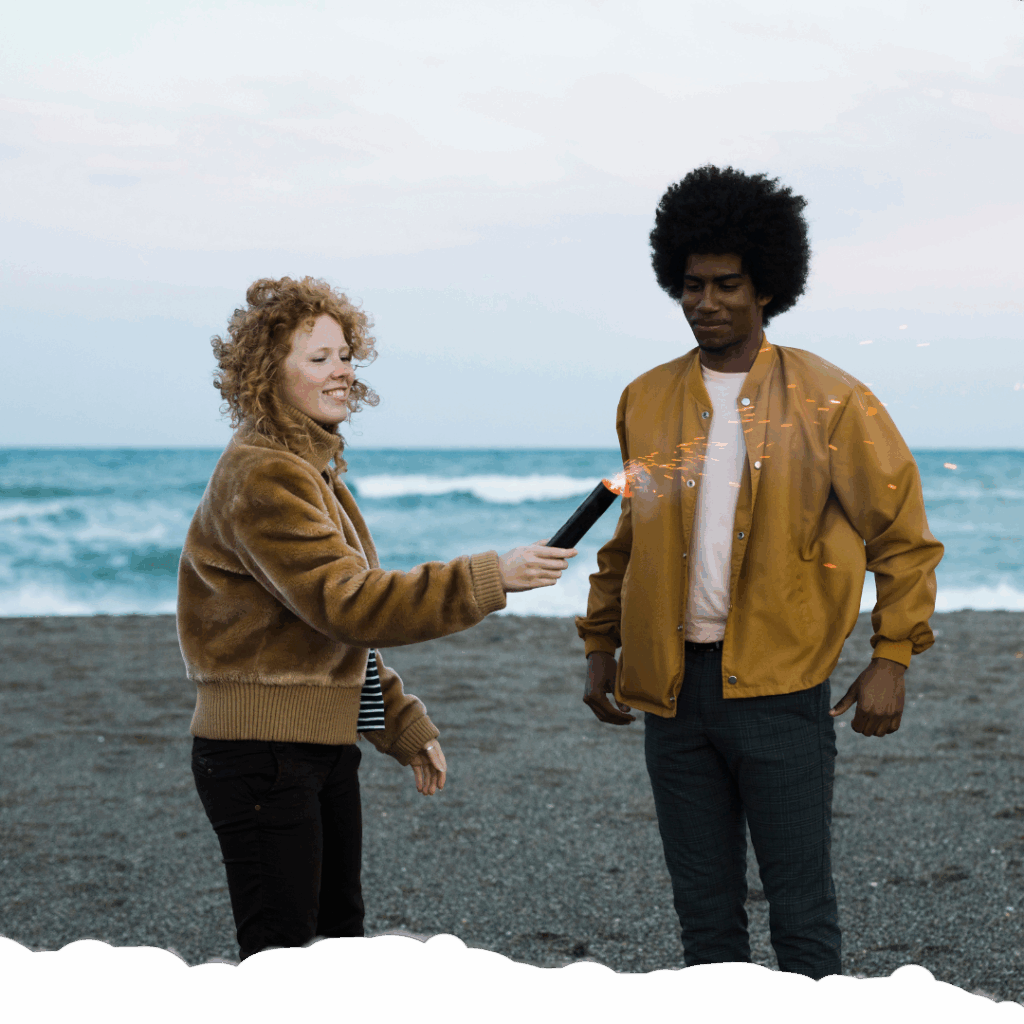
When you claim your eccentricity, you send a signal often quietly but sometimes with fireworks showing others that their quirks, too, are welcome here.
5 Ways to Reclaim Weirdness & Creativity
1. Reframing Reclamation as Resistance
Have people ever called you “weird” because they didn’t understand your vision? Moreover, that label often signals you’re onto something revolutionary. What would happen if you treated that label not as a scarlet letter, but as a badge of honor?
How Black Creativity and Social Norms Challenge Conventional Thinking
Reclaiming weirdness becomes a radical act that transforms communities. Furthermore, it operates on political, personal, and spiritual levels simultaneously. Community activists consistently embrace eccentricity as a powerful tool for highlighting injustice. For instance, protesters wear vibrant costumes while street theatre organizers use absurdity to expose social imbalances.
Breaking Traditional Barriers in Black Creativity and Social Norms
Meanwhile, families actively revive “old ways,” including drumming circles and storytelling rituals, even when critics label these practices as backwards or outdated. Additionally, they create new traditions that honor both heritage and innovation.
Consider a local artist who creates collages from vintage beauty ads and church pamphlets to reimagine what “respectable” can mean. Consequently, she not only asserts her own interpretation, but also invites others to break free from limiting archetypes.
Similarly, elders demonstrate playful defiance when they dress in wild, mismatched prints at neighborhood markets. Therefore, they send powerful messages of joy and resilience to younger generations who witness their authentic self-expression.
Every quirk you reclaim becomes a small yet powerful strike against homogeneity. Thus, your individual acts of creative rebellion inspire others to embrace their authentic selves.
2. Rituals of Creative Play
Let’s challenge a persistent myth: creative brilliance doesn’t strike randomly from nowhere. Instead, it often grows within safety, through play, and alongside those who actively affirm experimentation. So, what does this transformation look like in real-world practice?
Collective Creative Labs as Safe Playgrounds
Envision a Saturday community lab where multi-generational families explore everything from freestyle rap to painting on unconventional canvases. These labs function as safe spaces where participants celebrate mistakes and creativity flows without judgment. Moreover, they nurture curiosity and help people rediscover their authentic creative expression.
Transforming Rituals into Healing Practices for Black Creativity and Social Norms
Picture a ritual “Creative Night” where everyone wears something outrageous and shares a five-minute creation. Whether it’s a poem, a dance, or a song, these rituals don’t just build confidence. Additionally, they create healing practices that strengthen community bonds while giving participants permission to reclaim their weirdness and creativity.
Practical Steps for Parents and Educators Supporting Black Creativity and Social Norms
Parents, educators, and practitioners can actively encourage creative play by co-hosting improvisation nights. Furthermore, they can introduce playful art breaks in schools or establish weekly “weirdness hours” at home. Small, consistent rituals like these cultivate resilience, emotional intelligence, and authentic self-expression in children and adults alike.
3. Community Spaces That Celebrate Eccentricity
Safe and brave spaces provide the essential soil where new growth—both wild and cultivated—can flourish abundantly. However, let’s acknowledge reality: they don’t always emerge naturally on their own. Sometimes you must build them from the ground up.
Urban Examples of Black Creativity and Social Norms in Action
In New York’s creative circles, mutual aid collectives organize gallery nights specifically for outsider art. Consequently, they invite folks who never imagined their creations would see daylight. Meanwhile, in Los Angeles, queer Black dance troupes transform mundane public squares into temporary stages, inviting entire communities to witness freedom in motion.
Grassroots Funding for Black Creativity and Social Norms
Additionally, grassroots organizations offer “Eccentricity Grants” that support unconventional projects. These aren’t unrealistic funding proposals, but rather micro-grants that help people experiment in directions mainstream channels typically overlook. The ripple effects include more local voices, increased visibility for under-represented narratives, and a stronger sense of belonging.
Building Community Spaces That Honor Black Creativity and Social Norms
If your local community lacks such spaces, start small with quarterly “un-gallery nights,” oddball film screenings, or group story sessions. Use “if you’ve ever been called weird” as the entry requirement. Over time, what once seemed strange becomes a badge of pride, thereby transforming community norms for the next wave of creatives.
4. Storytelling as Cultural Norm-Bending
Stories actively shape what we believe becomes possible. That’s precisely why centering eccentric storytelling carries such transformative power.
Celebrating Family Narratives in Black Creativity and Social Norms
Remember the tales elders told you as a child about peculiar family members? The “wild” auntie or “strange” cousin who didn’t fit conventional molds? Instead of hiding those stories away, what if we celebrated and documented them with pride?
Southern Black families, Caribbean elders, and Native storytellers—every tradition includes ancestors whose eccentricity kept cultural lifelines alive through challenging times. Therefore, their stories deserve honor and preservation.
Contemporary Storytelling Movements Reshaping Black Creativity and Social Norms
Contemporary examples flourish everywhere: spoken word collectives in Chicago and Houston make “norm-bending” part of their communal performance fabric. Similarly, creative writing groups give “awkward silences” special status, turning moments of discomfort into springboards for meaningful dialogue.
Practical Applications for Black Creativity and Social Norms
Practitioners can integrate these lessons directly into their work toolkit. Try developing oral history projects focused on community “misfits” or micro-memoir workshops designed to liberate hidden stories we carry within us. When people see themselves reflected as worthy narrative subjects, it flips the script—what was once marginalized becomes a source of collective pride.
5. Coaching or Creative Mentorship
Mentorship builds the essential bridge between untapped potential and full flourishing. For Black and Brown creators, explicitly centering identity in mentorship often makes the difference between enforced silence and triumphant song.
Radical Acceptance in Black Creativity and Social Norms Mentorship
A mentorship program designed for radical acceptance might pair young poets with established artists who fearlessly color outside conventional lines. Perhaps a mentorship exchange connects musicians with tech innovators, thereby dissolving preconceived boundaries and inviting bold new creative collaborations.
Individual Coaching Methods Supporting Black Creativity and Social Norms
Consider one-on-one creative affirmation sessions, where coaches lead clients through guided visualization. They help clients imagine their “most eccentric self” operating confidently in the world without fear or apology. Another effective approach involves group feedback sessions with a strict “affirmations first” policy, ensuring even the quirkiest ideas receive collective exploration and support.
Community Impact of Supporting Black Creativity and Social Norms
The more you normalize out-of-the-box thinking and model creative boundary-pushing, the more everyone benefits. This includes mentees, mentors, and the wider community who witness their remarkable transformation. Ultimately, these programs create ripple effects that reshape entire creative ecosystems.
How Practitioners Can Integrate This into Offerings
What would it look like to move from idea to real, sustainable practice? Here’s a practical, step-by-step framework you can adapt to your context:
-
- Discovery: Begin with story-sharing or creativity mapping exercises to unearth quiet dreams and unconventional gifts. Use prompts like, “What’s one ‘weird’ thing you loved as a child but gave up?”
-
- Legitimacy: Discuss and honor overlooked forms of creativity, connecting them to tradition, innovation, and personal value. Host sessions where participants swap stories of being “overlooked” or dismissed, then collectively reframe those experiences as proof of vision.
-
- Creative Affirmation: Guide individuals and groups through activities that explicitly affirm weirdness, such as “compliment circles” for the quirkiest ideas in the room, or affirmation journals tracking daily weird wins.
-
- Public Sharing: Make space for community showcases, pop-up salons, or performances where emerging creatives can safely “go public.” Even small gestures sharing a “weird” poem at open mic can be world-shifting experiences.
-
- Integration: Encourage participants to build rituals that keep creative eccentricity woven into daily life morning improv prompts, vision boards, or group messages where peers celebrate offbeat wins.
Feel free to remix this framework! Run “Eccentric Voices Workshops,” offer pop-up group design jams, or curate “odd art” compilations online. Invite feedback from every participant community wisdom keeps your programming both grounded and dynamic.
CTA: Curious about building a bespoke program or piloting this approach in your community? Book a strategy session we’ll help you spark change right where you are.
Marketing & Booking Strategy
Authentic Storytelling That Transforms Communities
Your marketing should center on genuine stories that showcase the real, sometimes messy journeys of people whose weirdness actively ignites change. Moreover, these narratives create powerful connections that traditional marketing simply cannot achieve.
Showcasing Black Creativity and Social Norms Through Success Stories
Post compelling “before and after” testimonials that reveal what happens when communities protect and elevate eccentricity. Furthermore, these stories demonstrate tangible transformation rather than abstract concepts. Use high-visibility case studies to illustrate the ripple effects that occur when one person takes creative risks.
Demonstrating Possibilities in Black Creativity and Social Norms
Additionally, share what becomes possible when people bet on their quirks instead of hiding them. These success stories not only inspire but also provide concrete proof that embracing weirdness leads to meaningful community change. Therefore, your audience can envision their own transformation journey.
Strategic SEO for Creative Communities
From an SEO perspective, dig deep into the actual search terms people use when seeking creative empowerment. Meanwhile, focus on long-tail keywords that reflect genuine intent and specific needs.
Targeting Keywords for Black Creativity and Social Norms
Consider phrases like “eccentric mentorship for Black creatives,” “coaching for reclaiming weirdness,” or “community art labs for BIPOC innovators.” Importantly, people are actively Googling these phrases right now, desperately craving spaces where risk and difference receive celebration.
Content Marketing That Supports Black Creativity and Social Norms
Create content that answers these specific searches while building trust and authority. Furthermore, blog posts, videos, and social media content should address the unique challenges faced by BIPOC creatives. This approach not only improves search rankings but also builds a community of engaged followers.
Lead Magnets That Drive Action
For lead magnets, keep your offerings practical and immediately actionable. Moreover, each resource should help your audience move confidently from hesitation to meaningful action.
Practical Resources Supporting Black Creativity and Social Norms
Consider these high-converting lead magnet options:
Building Trust Through Value in Black Creativity and Social Norms
Each offering should provide immediate value while demonstrating your understanding of the unique challenges BIPOC creatives face. Therefore, your lead magnets become stepping stones that build trust before people commit to paid programs.
Flexible Booking Options for Diverse Needs
Invite your audience to book sessions while clearly communicating both individual and group options. Remember, different creatives have varying comfort levels and learning preferences.
Individual Coaching for Black Creativity and Social Norms
Some creatives will want the intimacy and focused attention of one-on-one coaching sessions. These individuals often prefer to explore vulnerable topics privately before sharing with groups. Additionally, they may need personalized strategies that address their specific creative blocks or cultural challenges.
Group Programs Celebrating Black Creativity and Social Norms
Conversely, others will crave the energy and validation of a group surrounded by like-minded creative spirits. These participants often find inspiration through witnessing others’ journeys and breakthroughs. Furthermore, group settings create opportunities for ongoing peer support and collaboration.
Creating Accessible Pathways in Black Creativity and Social Norms
Design your booking process to accommodate different financial situations and comfort levels. For instance, offer sliding scale options, payment plans, or work-study opportunities. This approach ensures that economic barriers don’t prevent talented individuals from accessing the support they need to thrive creatively.
Ultimately, your marketing and booking strategy should reflect the same values you teach: authenticity, inclusivity, and celebration of what makes each person uniquely powerful. Therefore, every touchpoint becomes an opportunity to model the creative courage you want to inspire in others.